

Anderson Injury Lawyers | March 20, 2026 | Dog Bite
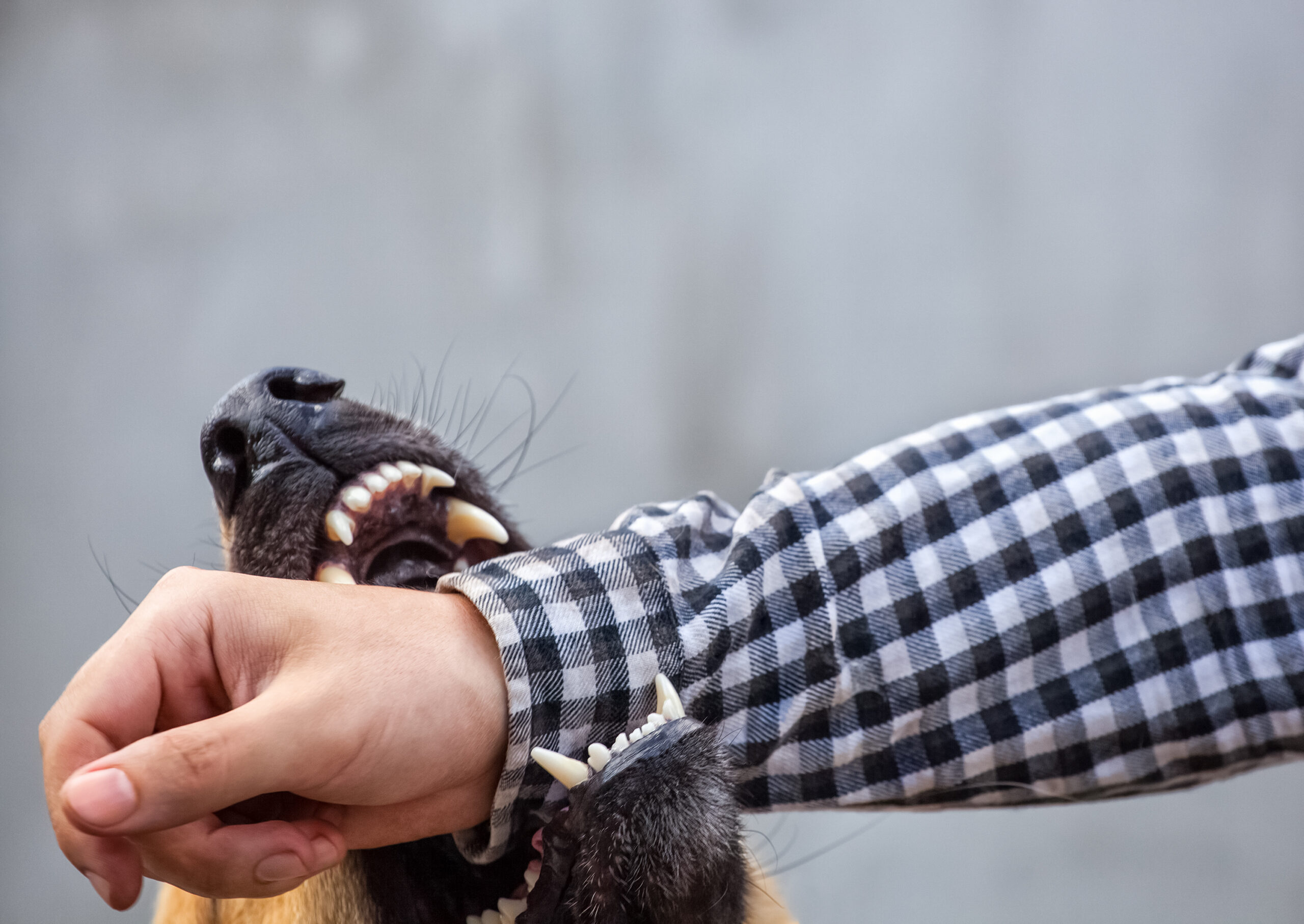
Dog bite injuries are more common than many people assume. With nearly 90 million dogs living in U.S. households, interactions between people and dogs happen daily. Insurance data provides one of the clearest recent snapshots. In 2024, insurers handled about 22,658 dog-related injury claims nationwide. Texas ranked among the top states for these claims.
Children face the highest risk. Younger children, especially those under age 9, are more likely to be bitten and often suffer more serious injuries to the head and face. Even nonfatal bites can lead to significant medical treatment, including stitches, surgery, and follow-up care.
How Common Are Dog Bites in the United States?
Dog bite injuries are more common than many people realize. With nearly 90 million dogs kept as pets nationwide, interactions between people and dogs are frequent.
Insurance data reflects this. In 2024, insurers handled about 22,658 dog-related injury claims. Texas consistently ranks among the top states for these claims, likely due to its large population and high rate of dog ownership.
Children face the highest risk. Studies show that kids under 9 account for a large share of injuries, with younger children more likely to suffer serious bites to the head, neck, and face.
Why Breed-Specific Dog Bite Statistics Are Controversial
Breed-specific statistics are widely discussed but often misunderstood. One major issue is breed identification. Many dogs involved in incidents are mixed breeds, and visual identification can be inaccurate.
There is also no standardized national reporting system for dog bites by breed. Much of the available data comes from insurance claims, media reports, or limited studies.
Experts, including the American Veterinary Medical Association (AVMA), state that breed alone is not a reliable predictor of aggressive behavior. Factors such as training, environment, and owner responsibility often play a larger role.
Texas Dog Bite Laws
Texas follows a common-law approach to dog bite liability rather than a specific statute. Under the “one bite rule,” a dog owner can be held strictly liable if they knew—or should have known—that their dog had dangerous tendencies.
If prior knowledge cannot be shown, a claim may still proceed under negligence. This typically requires showing that the owner failed to use reasonable care, such as not following leash laws or properly restraining the dog.
Dog Bite Statistics by Breed
Most breed-related data focuses on severe injuries and fatalities, as these incidents are more consistently reported.
Breeds Most Frequently Involved in Reported Bite Incidents
Several breeds appear more often in reports of serious bite injuries:
- Pit bull-type dogs and mixes are frequently cited in severe bite cases
- Rottweilers are often listed as the second most common breed in serious incidents
- German Shepherds regularly appear due to their size and strength
- Mixed-breed dogs are commonly involved, though classification can be unclear
- Mastiffs, Huskies, and American Bulldogs appear in smaller but notable numbers
These numbers should be interpreted carefully, as reporting bias and breed popularity can influence statistics.
Breeds Associated With Severe or Fatal Attacks
Fatal dog attacks are rare but receive significant attention. Provisional mortality data indicate that 127 U.S. deaths in 2024 were coded as involving being bitten or struck by a dog, though final numbers may change.
In fatal and severe attack reporting, pit bull-type dogs and Rottweilers are most frequently mentioned. Other breeds that appear in these cases include German Shepherds, mixed breeds, American Bulldogs, Mastiffs, and Huskies.
What To Do After a Dog Bite Incident
Taking the right steps after a dog bite can protect your health and your legal rights. You should:
- Seek medical attention immediately
- Report the incident to local animal control
- Document injuries with photos
- Get the dog owner’s contact and insurance information
- Avoid speaking with insurers before understanding your options
Dog bite injuries can lead to significant medical expenses, lost income, and lasting emotional effects. Proper documentation is essential if you pursue a claim.
Contact Anderson Injury Lawyers To Schedule a Free Consultation With an Austin Dog Bite Lawyer
Dog bite injuries in Austin, TX, can lead to expensive medical bills, lost time at work, and lasting emotional effects. Texas law gives victims a path to recover compensation and damages, but building a strong case requires an understanding of the law.
If you’ve been bitten by a dog, speaking with an experienced Austin dog bite attorney can help you understand your options and protect your rights. Reach out to Anderson Injury Lawyers today to learn more.
We proudly serve Tarrant County, Dallas County, Travis County, and throughout Texas.
Anderson Injury Lawyers – Fort Worth Office
1310 W El Paso St, Fort Worth, TX 76102
(817) 294-1900
Find us with our GeoCoordinates: 32.74621197527774, -97.33552733508391

Anderson Injury Lawyers – Fort Worth Office (Secondary)
6618 Fossil Bluff Dr # 108, Fort Worth, TX 76137
(817) 631-4113
Find us with our GeoCoordinates: 32.86241013538118, -97.30973893918065
Anderson Injury Lawyers – Dallas Office
408 W Eighth St Suite 202, Dallas, TX 75208
(214) 327-8000
Find us with our GeoCoordinates: 32.748815542196404, -96.82524302658787
Anderson Injury Lawyers – Austin Office
811 Nueces Street 6301, Austin TX, 78701
(512) 399-5000
Find us with our GeoCoordinates: 30.307794623518102, -97.73755898409242
About the Author

Mark A. Anderson is the founder of Anderson Injury Lawyers and a Board Certified Personal Injury Trial Lawyer—an honor held by only a small percentage of Texas attorneys. He earned his law degree from Baylor University School of Law and has spent more than 20 years helping injury victims across Dallas, Fort Worth and Austin. Mark handles cases involving car accidents, truck accidents, product liability, wrongful death, catastrophic injuries, and more. Click here to view some of the successful case results Mark has achieved for his clients.
Location: Dallas, Fort Worth, and Austin, Texas